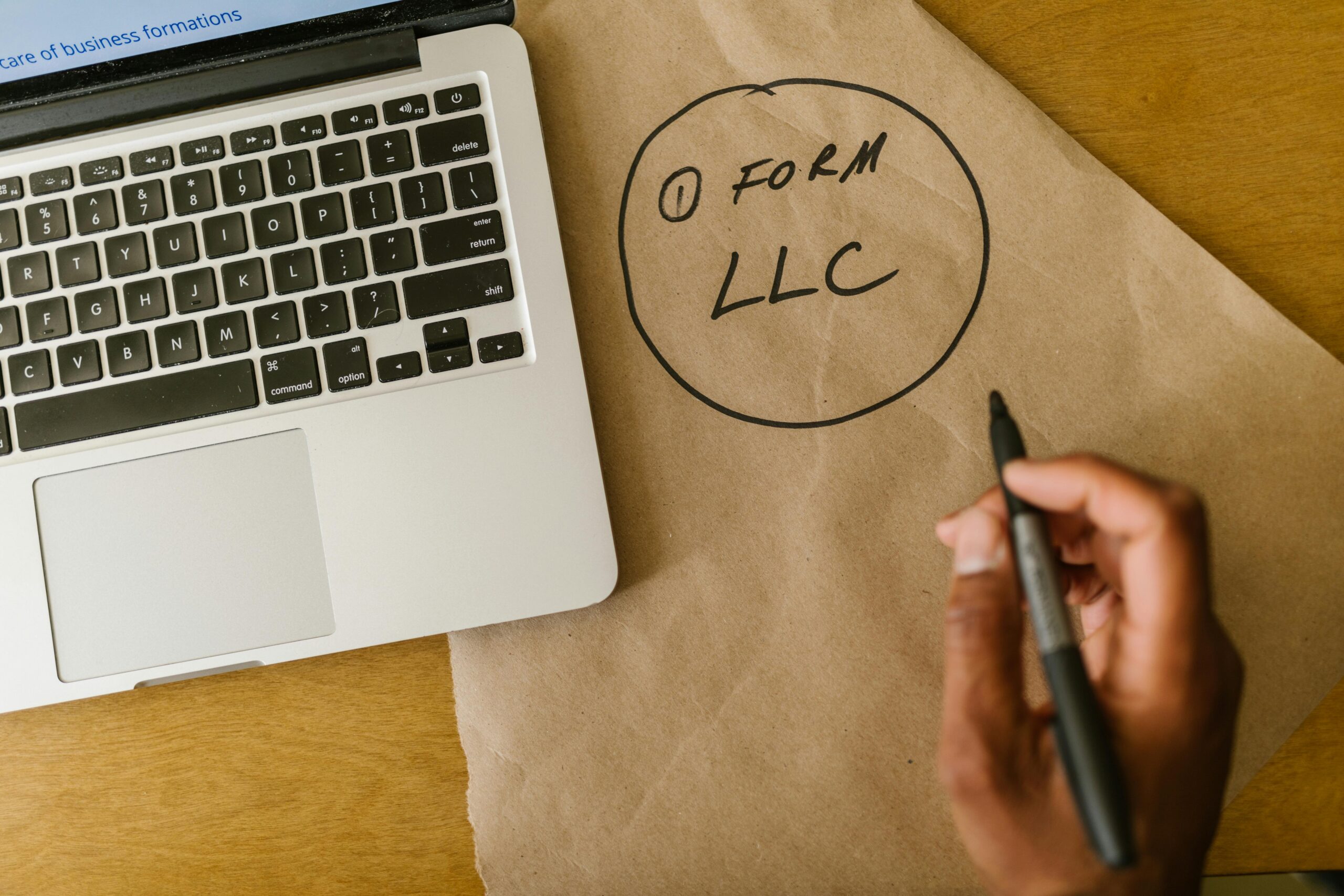

Forming an S-Corporation (S-Corp) can be an excellent decision for entrepreneurs looking to benefit from pass-through taxation while maintaining the legal protections of a corporation. Here’s a step-by-step guide on how to form an S-Corp:
Understand What an S-Corporation Is
An S-Corp is a special tax designation granted by the IRS that allows income, losses, deductions, and credits to pass through to shareholders’ personal tax returns, avoiding double taxation. It is not a business entity type like an LLC or C-Corp but a tax classification available to corporations and LLCs.
Meet Eligibility Requirements
To qualify as an S-Corp, your business must:
- Be a domestic corporation
- Have only allowable shareholders (individuals, certain trusts, and estates)
- Not have more than 100 shareholders
- Have only one class of stock
- Not be an ineligible corporation (e.g., certain financial institutions, insurance companies, domestic international sales corporations)
Choose a Business Name
Ensure your business name is unique and complies with your state’s naming requirements. Check for name availability through your state’s Secretary of State website and consider trademark registration if applicable.
Draft and File Articles of Incorporation
Prepare and file Articles of Incorporation with your state’s Secretary of State office. This document typically includes:
- Business name and address
- Purpose of the corporation
- Registered agent’s name and address
- Number of authorized shares of stock
Appoint Directors and Hold Initial Board Meeting
Appoint directors who will oversee the corporation’s activities. In the initial board meeting:
- Adopt corporate bylaws
- Appoint corporate officers
- Issue stock certificates to shareholders
- Record minutes of the meeting
Obtain an Employer Identification Number (EIN)
Apply for an EIN from the IRS online. This number is essential for tax filing, opening business bank accounts, and hiring employees.
File Form 2553 with the IRS
To elect S-Corp status, file Form 2553, Election by a Small Business Corporation with the IRS:
- Obtain consent from all shareholders by having them sign the form
- File within two months and 15 days after the beginning of the tax year the election is to take effect
Comply with State Requirements
Some states require additional filings to recognize your S-Corp status at the state level. Check with your state’s tax authority for specific requirements.
Set Up Corporate Records and Accounting Systems
Maintain organized records, including:
- Meeting minutes
- Bylaws
- Stock issuance records
- Financial statements
Establish an accounting system to manage payroll, distributions, and tax reporting.
Ongoing Compliance Obligations
To maintain your S-Corp status:
- File annual reports and pay associated fees to the state
- Hold annual shareholder and director meetings
- Keep detailed meeting minutes
- File federal and state tax returns
Final Thoughts
Forming an S-Corporation offers numerous advantages, including tax benefits and liability protection. However, it also comes with administrative responsibilities. Consider consulting with legal and tax professionals to ensure compliance and optimal structuring for your business’s needs.
For more business insights and guidance, stay connected with Cameron E. White.